Showing posts with label Wrestling. Show all posts

Monday, March 23, 2026

NO GAS, NO RUN: The Guide To Catch Wrestling Conditioning, Combat Science And Building The Engine

Many spent years studying the old ways of training; the raw, unfiltered truth of what it means to be unbreakable on the mat and in life. Karl Gotch, the God of Wrestling himself, drilled it into every man he trained: conditioning isn’t a side dish. It’s your greatest hold. Skill without the engine is worthless. You gas out, you lose. You run for miles hoping cardio saves you, you miss the point entirely. Gotch didn’t build wrestlers who looked pretty in the mirror. He forged monsters who could grind for hours, bridges popping, squats exploding, bodies moving like coiled steel.


That’s why I’m fired up about what’s coming. NO GAS, NO RUN: The Guide to Catch Wrestling Conditioning, Combat Science, and Building the Engine is dropping soon, and it’s the real deal. This isn’t another fluffy program with treadmill sprints and fancy gadgets. This is pure Gotch distilled, bodyweight brutality, combat-specific science, and the exact blueprint for constructing an engine that never quits.

No more gassing halfway through a roll because your lungs betray you. No more pounding pavement thinking “more miles equal tougher.” Gotch taught the Indian Kushti way, the Great Gama style where the engine is built through relentless Hindu squats, neck bridges that turn your spine into iron, push-ups that teach leverage, animal crawls that wake up every fiber, and circuits that mimic the mat war. You train to leave gas in the tank, not burn it all in warm-up. That’s the “NO GAS” secret. You finish stronger than you started. Your heart, lungs, and grip become weapons that outlast any opponent.

The “NO RUN” part? Pure genius. Running builds runners. Catch wrestling demands wrestlers. This guide flips the script with combat science that Gotch guarded like gold: precise progressions, recovery intelligence, and drills that translate straight to pins, escapes, and submissions. You’ll learn how to build that engine in small spaces—just like Gotch did in hotel rooms across Japan and Europe. No excuses. Just results.

This isn’t about getting “in shape.” It’s existential. Every rep becomes a drop of water in the rain. One alone seems small. Stack them day after day—consistent, faithful, fierce—and you carve canyons in your limits. Life throws storms. The mat tests your soul. With this engine, you don’t break. You reshape everything around you. Weakness dissolves. Doubt evaporates. You rise as the force that mountains can’t stop.

I’ve tested pieces of this philosophy in my own training with the 500+ rep circuits in the park with the Dopa Bands. It works. It transforms. And now this guide packages the full system: step-by-step conditioning ladders, combat science breakdowns, engine-building templates that scale from beginner to beast. Whether you’re a grappler chasing catch wrestling glory, an MMA fighter needing real durability, or just a warrior who refuses to gas out in life, this is your fucking map.

The greats knew it like Frank Gotch, Lou Thesz, Ed Lewis, Billy Robinson and Gama. They all carried that same fire. Gotch passed the torch onto men that tackled wrestling with a vengeance. This guide carries it forward. No hype. No shortcuts. Just the rugged truth that turns ordinary men into legends.

The wait is almost over. When it lands, dive in. Commit like your life depends on it because on the mat, it does. Stack those drops. Forge that engine. Leave the gas for your enemies. Pre-Order NOW!!!

Rise up. The mat is calling. Train with passion. Build the unstoppable. Get after it. Become the river. Be amazingly awesome.

Want to send me a message? Go to my LINKTREE where all my socials and email are. 

Sunday, March 15, 2026

George Tragos: A Legendary Hooker That Laid A Foundation For American Catch Wrestling

George Tragos isn't a big name you hear even in most circles today especially in wrestling but let's help change that. To start, let's just point out that this wasn’t just some pretty boy showman prancing around under the lights. This dude was a goddamn hooker in the truest, most vicious sense of the old-school catch-as-catch-can wrestling game. A Greek immigrant who crossed the ocean with nothing but raw power, unbreakable technique, and a mean streak that that stretches to mars and back. He didn’t just wrestle, he broke men. He taught life lessons that left bruises and wisdom in equal measure. Most importantly may we add, he took a skinny kid named Lou Thesz and helped develop him into one of the greatest professional wrestlers who ever laced up boots. Without Tragos, nearly the entire lineage of real grappling in America looks a hell of a lot weaker.

Born March 14, 1897, in the rugged hills of Katsaros, Messinia, Greece, Tragos grew up breathing the same ancient air that birthed the Olympics. Back then, wrestling wasn’t entertainment, it was survival. It was honor. It was the ultimate test of a man’s will. Young Georgios (as he was known) absorbed Greco-Roman technique like it was mother’s milk. He dominated local tournaments, stacked amateur titles in Greece, and earned his spot on not one, but two Olympic teams for his homeland. Think about that for a moment: a teenager from a tiny village standing shoulder-to-shoulder with the best grapplers on the planet, throwing men around with hips like pistons and shoulders like cannonballs.

But Greece couldn’t hold him. In 1910 he emigrated to the United States, landing in a country hungry for real tough guys. By 1922 he was already coaching amateur catch wrestling at the University of Missouri in Columbia. Think about that timeline – the Roaring Twenties, Prohibition, gangsters, and Tragos quietly building killers in the heartland. He didn’t just teach wrist locks and half nelsons. He taught hooks. Those nasty, fight-ending submissions that separate the pretenders from the legends. Hooks that could tear ligaments, pop joints, and make a man tap or sleep before the referee even blinked. This was one of the most feared wrestlers of his time.

Then he stepped into the pro ranks himself. Debut 1922, mostly working the St. Louis territory where the crowds knew real wrestling from the circus acts. Tragos became the pro middleweight champion and earned a reputation that traveled faster than any railroad. The term Hooker wasn’t a compliment back then and sure as hell didn't mean prostitute, it was a warning, to let you know if you crossed one, they will put the fear of God in you if you crossed or tested them. One story that still gets whispered in old wrestling circles tells it all. Some young hotshot decided to test the brutal Greek in the gym. Tragos knew what he had to do, locked in I believe a double wrist lock, and drove it home before the kid could even scream “uncle.” Ripped muscles, torn tendons, separated bone – the arm got infected and the poor bastard had it amputated. Legend says he didn’t lose a wink of sleep. That’s the kind of ruthlessness this guy was. No mercy. No apologies. Downright psychotic.

His real legacy wasn’t the titles he won or the arms he ruined. It was the beast he created in a young Lou Thesz. Thesz himself said it best: “George Tragos was a great wrestler and a great human being. I’ve learned more from him, about life as well as wrestling, than I could ever possibly repay.” 


Tragos didn’t just show Thesz moves – he poured the entire ancient science of catch wrestling into him. The intricate counters. The psychology of the ring. How to chain submissions so seamlessly that your opponent never knew he was caught until it was too late. Greco-Roman base meets American catch-as-catch-can grit. Tragos bridged the old world and the new. He taught this future legendary figure the same way the old masters taught him – through pain, repetition, and relentless pressure.

Could you imagine those sessions? Hour after hour in smoky St. Louis gyms. Thesz, still a teenager, getting twisted, stretched, and submitted until his body screamed. But Tragos was there every step, refining that iron will. The same will that let Thesz hold the NWA World Heavyweight Championship for years and years. Three-time champ that was held across different eras. The man who carried professional wrestling on his back during its golden age. All of it traces back to the brutal Greek who saw potential in a raw kid and refused to let it go to waste. If Thesz was ever tested in his career, those instincts from those times with George would kick in almost automatically. Unlike Tragos, Thesz didn't want to hurt anyone unless it was a last resort. 

Tragos himself traveled the Midwest as a true professional. He coached young men wherever he went. He lived the wrestler’s life – hard roads, harder matches, and an even harder code. He passed away on September 5, 1955, in St. Louis at just 58 years old. Right on the cusp of the television explosion that would make wrestling a national obsession. He never got to see the full spectacle his pupil helped create, but his fingerprints are all over it. Thesz may have been more known to be the student of Ed Lewis, but before Ed, Thesz was learning the dark and brutal entities of what a Hooker was in those days.

And that’s why the George Tragos/Lou Thesz Professional Wrestling Hall of Fame carries his name. Posthumously inducted in 1999 alongside his greatest student, the hall sits inside the National Wrestling Hall of Fame and Museum. Every year the best of the best – guys with amateur roots who made it in the pros – get honored there. The George Tragos Award goes to wrestlers who take that same competitive fire and adapt it to mixed martial arts or other combat sports. It’s fitting. Because Tragos wasn’t just a wrestler. He was the prototype for the modern hooker.

Compare him to the legends I’ve written about before. The Great Gama with his endless Hindu squats and dands – pure conditioning beast. Ed “Strangler” Lewis, the gorilla-built stamina monster who could wrestle five partners for hours and still be fresh. Joe Stecher and his deadly scissors. The Greek Legend sits right there with them, but in a different lane. He was the teacher. The bridge. The guy who took the old Greco-Roman purity and weaponized it with American catch brutality. He didn’t need 5,000 daily squats to prove his worth (though I bet he could have done them and not be winded). He proved it every time he stepped on the mat and made bigger, stronger men quit.

In today’s world of Instagram athletes and choreographed spots, guys like this feel like ghosts from another dimension. No flash. No drama. Just hooks, heart, and hellish training. He reminded everyone that real wrestling isn’t about entertainment – it’s about dominance. It’s about being the last man standing when the lights go out and the crowd goes home.

If you’re training today – whether it’s catch wrestling drills, old-school isometrics, band-resisted leg work to build those Stecher-style scissors, or just grinding out heavy pulls – channel George Tragos. Lock in that wrist like it’s your last match. Build the kind of strength that doesn’t just look good in the mirror but can actually end a fight.

He didn’t chase fame. He chased mastery. And in doing so he created a legacy that outlives every title, every win, every broken limb. The hall of fame, the students, a catch wrestling bloodline, a lot of it flows from that Greek immigrant who refused to be soft.

Be amazingly awesome and kill it in your endeavors. 

If you wish to get contact with me, here's my LINKTREE for all my Socials and Email.

Wednesday, March 4, 2026

A Conditioning Powerhouse: DopamineO Bands As A Tool For Lifelong Strength And Health And How Would It Do In The Bronze Age Of Physical Culture

That's quite a mouthful of a title don't you think?

This isn't about some trendy little gadget. I’m not here peddling the latest gimmick or some gym membership. No way bro. I’m all about tools that build the kind of rugged, unbreakable body that lasts a lifetime—the kind the old physical culturists may have used if they had access to in their time. Right now, in 2026, that tool is the DopamineO Band.

You've been reading about the crazy workouts I've done with these. HIIT Style within 30 minutes, Circuits for up to as many as 20 Rounds, even knocking out reps using sometimes two decks of cards in a row because why the hell not? These aren’t your cheap rubber tubes that snap mid-set and leave you with a welt across the face. These are engineered silicone tubes—solid core, not hollow junk—with a formula that laughs at heat, water, sweat, and time. Lifetime durability with proper use, a full one-year warranty, hypoallergenic, and they come with lifetime access to over 300 training videos. Five resistance levels from Fly (perfect for kids or rehab) all the way up to Heavy that’ll smoke a 220-pound beast. Whether you’re 80 pounds or 250+, there’s a Dopa Band built exactly for you.

I want to get into the conditioning benefits, because that’s where these bands separate themselves from most pieces of equipment on the planet. Traditional weights are great, don’t get me wrong and they can be beneficial when done right and without ego lifting, but the resistance remains the same. Dopa Bands give you variable resistance: easy as you move closer to it, brutal at the peak contraction when you bring it further away. That means your muscles are under tension exactly where they need it most, building strength-endurance like little else. You’re not just moving; you’re training the way wrestlers and old-time strongmen actually moved—explosive, full-range, never stopping.

Throw a Dopa Band around a tree at the park or anchor it to your door at home and you’ve got a full gym. Pulls, pushes, squats, rows, face pulls, core crushers, wrestling-specific drills—you name it. The constant tension fires up your stabilizers, improves mobility and durability while packing on functional muscle. I’m talking real-world power that carries over to the mat, the job site, or just chasing the kids around without blowing out your back.

Now, long-term fitness and health? This is where the Dopa Band becomes potentially a lifestyle weapon. Most guys train hard in their 20s and 30s, then their joints start screaming by 40 and they quit. Not with these. The elastic resistance is joint-friendly as fuck, no heavy iron crashing down on your spine or knees. You can train daily, even multiple times a day, because recovery is faster and injury risk drops through the floor. I’ve used them for micro-workouts when I need a pick me up, five minutes here, ten minutes there and the conditioning compounds like compound interest.

Your heart gets stronger through high-rep circuits and HIIT. Next to bodyweight training in this manner, this is the next best thing. Blood flow improves. Grip strength benefits as well (especially if you pair it with the Gi Simulator Trainer for specific work like BJJ or Judo). Hormones stay optimized because you’re moving heavy resistance without the cortisol dump of marathon barbell sessions since some gym goers feel the need to train for more than 2 hours. And mentally? There’s a reason they’re called DopamineO—the endorphin rush from crushing a band circuit even within 15 minutes flat is addictive in the best way. Consistency becomes effortless. You train everywhere—hotel room, backyard, airport lounge—and that consistency is what builds the body that lasts decades, not years. It can even be a phenomenal finisher to your gym routine.

I’ve said it before and I’ll scream it from the fucking rooftops man: conditioning is king. You can have all the raw strength in the world, but if your engine craps out after three minutes or less, you’re done. The Dopa Band fixes that. You build incredible stamina while building muscle that won't look like something out of a comic book but a real world functioning physique. Long-term health? Lower blood pressure from the cardio effect, better posture from the pulling movements, stronger bones from the progressive overload, and a nervous system that stays sharp because you’re constantly adapting to new angles and tempos. This isn’t hype, this is what happens when you use the right tools every single day.


Now here’s the part that gets me fired up every time I think about it: imagine if the old timers, the legends of physical culture and catch wrestling from the early 20th century had these bands.


Eugen Sandow, the father of modern bodybuilding and physical culture. The man popularized Free Weights and other things of that era. A portable Dopa Band set would’ve let Sandow train on the road during his world tours—hotel rooms, backstage at theaters, anywhere. Variable resistance perfect for his “muscle control” routines. He could’ve isolated every angle of the chest, shoulders, and arms with band flies and presses that hit harder at the top where it counts. Sandow preached health and aesthetics over pure brute strength; these bands deliver both without the joint tax of heavy iron. He might’ve lived even longer and influenced an entire generation to train smarter, not just heavier.

Frank Gotch 

Joe Stecher 

Ad Santel

Lou Thesz

All of them. These were mat-tough legends who built their bodies through labor, conditioning drills and basic training. No fancy gyms. A Dopa Band would’ve been perfect for them: little equipment needed, unlimited workouts, and the ability to train specific weaknesses on the fly. Stecher’s famous scissors? Band-resisted leg curls and adductor work to make them even deadlier. Gotch’s chain wrestling? Band drills for explosive hip escapes and bridging. They traveled constantly, bands fit in a suitcase and never break. Injuries that sidelined them for weeks? Rehab with the Feather or Light band and they’re back in days (possibly).

The old physical culturists were geniuses of will and volume, but they were limited by the technology of their time. No portable variable resistance. No lifetime-durable tools that let you train every day without wrecking yourself. If DopamineO bands had existed in 1900-1920, these men would’ve been even more dominant, it's not even a debate (unless you believe it to be). Their conditioning would’ve been off the charts, their careers longer, their influence wider. Sandow might’ve written an entire book on “Band Culture.” And the rest of us would’ve inherited an even richer legacy of functional, lifelong strength.

Look, I’m not saying drop the barbells or your regular gym work. I'll still hit the weights a couple times a week myself. But for pure conditioning, portability, and long-term health—the Dopa Band is unmatched. It’s what the old timers would’ve killed for. It’s what we need right now. Bodyweight Training is the foundation, there's never been a doubt or even a debate about that, bands like these are the next evolutionary step where they work the body in aspects that Bodyweight and Weights can't hit. That's not a knock down, it's part of the journey. 


Grab yours today at Dopamineo.com and use the discount code POWERANDMIGHT for 10% off. Military bundles and other discounts available too. Whether you’re building the body of a modern wrestler or just want to move and feel strong into your 70s and beyond, these bands deliver.

Train hard, stay consistent, and keep being amazingly awesome. The old timers are watching. Make ‘em proud.

If you wish to get in touch with me, send me your comments (FYI, Anonymous Comments are automatically deleted) or use my linktree that you can click on the right hand side of the blog where it has my email and social media. I no longer have the Contact Form up. Subscribe & Follow to get posts sent to your email. Have a great day everyone. 

Monday, March 2, 2026

The Strangler Vs The Great Gama: Arguably The Greatest What If In Wrestling History?


If there were two men who solidified wrestling into a status that was beyond legendary, it was Ed Lewis & The Great Gama. One was undefeated his entire career, the other was part of a trio that shaped the bridge between actual contests in Catch Wrestling to the spectacle we know today as professional wrestling. 


The history between these larger than life titans is not only unbelievable but it begged the question among the inner circle of wrestlers as to why these guys never squared off to see who is the true GOAT. With it never coming to pass, it's only speculation for reasons beyond our own consciousness and research to how good they actually were.

To start off, let's get a glimpse of Gama....Born as Ghulam Mohammad Baksh Butt in what was British India that became Pakistan. Growing up, he was already being groomed into wrestling through his family that had a high stakes in the sport of Kushti. Before he even was a teenager, he already dominated other wrestlers by his level of conditioning and outworked many experienced masters in a contest consisting of squats, push-ups, mace and club swinging. Wrestling was his life, his job and his source of fame. 

The man was a beast at the peak of his career standing roughly 5'7 but weighed at best 270 lbs of pure wrath. His strength was jaw dropping to the point of being able to throw guys much taller and at times bigger than him. The amount of Bethaks (The Hindu Squat) & Dands he performed were documented as many as 5000 & 4000 each practically daily while doing runs, wrestling as many as 40 sparring partners and devouring one opponent after another in competition that lasted often less than a few minutes at a time, consistently in seconds. 

The most famous wrestler he faced was a champion in his own right named Stan Zbyszko who was probably the closest wrestler outside of Gama's native India to give him a hard time but as fate would have it, As powerful and solid he was as a wrestler, he still couldn't get the Punjabi Monster down for the count. It was surreal to how this man kept up such a record for so long that what happened to guys like Gotch, Hackenshmidt and others of that era that never faced him? His record as far as history is concerned is still in tact and will mostly stay there for all time, like Cy Young's Baseball Wins Record or Joe Montana's Undefeated Record as a Quarterback in the Super Bowl. 

Moving onto what many arguably say is the greatest American Wrestler of all time or should I say the greatest Catch Wrestler of all time, Ed "Strangler" Lewis.....Born as Robert Julius Fredrick in the rural towns of Wisconsin, he became a man that would shape the very foundation to what would become what we know today as Professional Wrestling. His style was considered boring to paid audiences but to the wrestlers that sparred, competed and watched him work, he was a living masterpiece of an athlete. He was also the man that would succeed Frank Gotch after his death in 1917. A dangerous Hooker by trade (meaning he could cripple opponents with submissions that tore ligaments, bones and dislocations to practically any part of the body. He didn't look like he was carved into a Greek God by any stretch of the imagination, he was built closer to a gorilla at a whopping 260 at his peak at 5'10 but what seperated him from other wrestlers was his stamina. Despite his appearance, he could outwrestle just about anybody that came across him. To such a degree that Lou Thesz (Ed's Protégé) has said that when Ed had sparring partners, using as many as 5 for 5 minutes each for hours, he would just as fresh at the end then when he started.

Mike Chapman who has written countless books on the sport of wrestling has said that even in his mind that Ed was the best period. He could beat anybody, anywhere at any length he wanted to. What truly needs to be noted is that Ed rarely if at all lost in a legitimate contest and most of his loses came from performing matches throughout the 20's and 30's. When it came down to it, he only lost because he allowed it, if he wanted to rough a guy up especially of championship caliber, Ed could do it and make his opponent work like a mule until he wore him down. His match against Joe Stecher was considered at that time and I believe since, the longest match in Catch History. They went at it for 5 1/2 hours to a draw. By the time it was all said and done, the audience was practically gone and 4 referees were exhausted (one at a time bowed out). 

Because of the press and the need for action, Ed had partnered up with two other guys; Billy Sandow and Toodts Mont to form what became famously known as the "Gold Dust Trio" where they turned the slow scientific matches into a much faster paced spectacle where time limits became the it factor and inventing "show holds" meaning holds that they can put on that could get the audience riled up along with flashy moves of the time like the Drop Kick for example. Traveled around putting on cards that took them into the stratosphere of making bank. Eventually the trio separated due to conflicts of interests and having Mont being quite the backstabbing greedy businessman he was. For the record, Toodts was a capable and legit wrestler himself and Sandow (no relation to Eugene) was a smart businessman. 

For Ed as time went on, although still able to go at a high level, was having health issues due to trachoma, heavy drinking and womanizing that would make Babe Ruth blush. His body began to wear down and what once was a powerful barrel chested master, became a morbidly obese of a man that could barely travel, let alone wrestle. He did live life to the fullest that's for sure and his successor in Thesz proved that with great knowledge from the true masters, wrestling will never die. The closest peers Ed had in his prime would be Ad Santel, Ray Steele and George Tragos. Look into these guys and you'll understand why the Hookers were feared men of the mat. 

Now, let's get down to it, who really was the GOAT of wrestling out of these two monsters? Well, like I said, it's speculative but let's see what we can make of it. First off, their styles are completely different from one another; Gama's ability was to throw, toss and takedown opponents that had a combination of Freestyle & Greco-Roman. Ed, was a well known Submission Specialist, meaning he could tie a guy up anyway he wanted and put him in holds that were known to be illegal or crippling to a degree where he could put you in the hospital just by tearing a knee or dislocating a shoulder in several ways. 

Both had a ridiculous amount of stamina from their perspective ways of conditioning and strength training as well as grappling itself. In some retrospect, Ed has more of an advantage because if it were a legit Catch Contest where submissions were allowed, Gama most likely wouldn't know how to handle him, he can't rely on his strength and cardio alone and Ed would have the ability to set him up well even if Gama thinks he's got him on the ropes so do speak. So there's that when it comes down to it.

If it were a a contest that was suited to Gama's style, I don't believe he would have that high of advantage but here's a thing that we never got into. They're 12-13 years apart in age so Gama may have an advantage due to experience of his style of the sport. Ed was a solid shooter, he had to be because it was just second to being a Hooker and if a Hooker couldn't go with a Shooter, it would be embarrassing and that wrestler may get blacklisted because Hookers were meant to be the better wrestler. So in a shoot, Gama would have somewhat of a piece ahead of Ed but I only say that because the contest would go a lot longer than Gama would be used to. Sure he can go for hours if he wanted to but if you look into his competitive history, his matches never went longer than 15 minutes at best I believe. Ed can work a guy in any way he wanted so toe to toe, he would give Gama a run for his money and test his durability. 

Safe to say in some aspects, they're pretty even in terms of being able to go at it and give each a hard fought match. I would say in most cases, it would be a draw but if it came down to submissions, Ed would have Gama within an ankle lock or Double Wrist Lock within 20-30 minutes tops. If submissions weren't allowed and based on age and experience, Gama is the victor but not by much, he would have to work his ass off to get Ed down or thrown. I could see a match of that caliber go at best 3 hours before Gama had him down. There would be a chain of moves and because of Ed's Defensive abilities, he would have Gama making changes that he could adapt to but not easy to conjure up. 

That's really my take on it considering their history and their impact on the sport. No bias, no rage baiting or anything. Just a pure observation of their legend as wrestlers and where that match might have stood on the premise of their respective status. I can't really pick who could really win but from the observations I made above, I think I analyzed it pretty well. Hope you enjoyed this piece and let me know in the comments what you think or leave a comment on social media after I post it. Be amazingly awesome and let's keep Wrestling History in our minds and share it. 

Wednesday, February 25, 2026

The Legendary Beast: Joe Stecher, The Scissors King Who Crushed The Wrestling World


Hey guys, I'd like to share with you about a real legend in the world of Catch Wrestling, Joe Stecher. If you're into old-school mat wars, or want to know what it's like to have that unbreakable farm-boy strength, this guy's story is gonna fire you up. I mean, in an era when wrestling was raw, no-holds-barred shoot fights that could last hours, Stecher wasn't just competing; he was dominating like a force of nature. Born on a dusty Nebraska farm, this dude turned his body into a weapon that terrorized the ring for decades. His savage techniques, those epic rivalries, and why his legacy still kicks ass for anyone grinding in the gym today. 

Let's go back in time: It's April 4, 1893, in Dodge, Nebraska. Little Josef Stecher pops into the world, the son of Bohemian immigrants scratching out a living on the plains. Farm life back then? Brutal as fuck. You're hauling hay, wrestling livestock, and building that functional strength that no fancy gym machine can replicate. Joe wasn't some pampered athlete; he earned his physique the hard way. By high school in Fremont, he was already a multi-sport monster – crushing it in baseball, swimming like a shark, and yeah, pinning fools on the wrestling mat. But here's the kicker: his legs. Talk about Legendary. Working the fields gave him thighs like steel cables, and he honed that power into something deadly.

Stecher turned pro in 1912 at just 19 and he explode onto the scene. This kid racked up 51 straight wins – no bullshit, straight falls against grizzled vets. He was dismantling guys like Jess Westergaard, Ad Santel (the man who supposedly was paid to tear up Hackenshmidt's knee in a training session), and Marin Plestina in under 15 minutes each. We're talking pure catch-as-catch-can mastery: hooks, holds, and submissions that left opponents gasping. But the real breakthrough? July 5, 1915, in Omaha. With the great Frank Gotch watching from ringside – yeah, the unbeatable Iowa legend himself – Stecher takes on American Heavyweight Champ Charlie Cutler. At 22 years old, Joe snatches the World Heavyweight Title with his signature move: the body scissors. Imagine clamping your legs around a guy's torso like a vice, squeezing until ribs crack and breath fails. That was Stecher's nuclear weapon, and it made him a star.

Stecher held the world title three times, totaling damn near 2,000 days as the top dog. His first run was a whirlwind of defenses, but the shadows loomed. Gotch's retirement left a void, and everyone wanted that dream match. Instead, Stecher clashed with rising beasts like Ed "Strangler" Lewis. Shit, their rivalry? Pure fire. On July 4, 1916, they went at it for five and a half fucking hours – one of the longest match in wrestling history. No pin, no sub, just a grueling draw that tested every ounce of endurance. Stecher's legs held firm, but Lewis's headlock game was no joke. They traded the belt back and forth like heavyweight boxers swapping haymakers.

Then there's Earl Caddock, the WWI hero and farm-strong grappler from Iowa. Their 1920 showdown at Madison Square Garden? Epic as Goku vs Vegeta. Over two hours of technical warfare, with Stecher finally locking in those scissors for the win and reclaiming the title. Caddock was tough – a legit shooter with army-honed grit – but Joe outlasted him through sheer mental warfare. That's a key lesson here: wrestling ain't just physical; it's breaking the other guy's will. Stecher embodied that. He'd grind you down, hour after hour, until you tapped or snapped.

Speaking of techniques, let's break this down like a workout circuit. Stecher was a scientific wizard of the mat, well known as a Hooker – not some sloppy brawler. His base? Catch wrestling fundamentals: control the mat, chain holds, and transition like a predator. But those legs, man. The body scissors wasn't just a hold; it was a finisher that could crush organs. He'd wrap 'em around your midsection, head, or neck, applying pressure that made grown men quit. Farm work built that power – think endless squats hauling bales, turning quads into pistons. He also mastered arm bars, toe holds, and ground control, always one step ahead. In 100's of matches, his record was insane: 317 wins, 31 losses. That's not luck; that's relentless prep and adaptability.

Rivals? Stecher had a murderers' row. Besides Lewis and Caddock, there was Stanislaus Zbyszko, the Polish powerhouse with a Greco-Roman vibe. In 1925, at 32, Stecher schooled the 47-year-old Zbyszko to snag his third title. Wayne Munn, Jim Londos – he faced 'em all, often in front of massive crowds. These weren't scripted spectacles; they were shoots where one wrong move meant injury or humiliation. Stecher's ferocity? Unmatched. Lou Thesz, the successor to Ed Lewis, sparred with him in the '30s and said even retired, Joe mopped the floor with him. That's longevity – staying elite through smarts and conditioning.

By 1934, Stecher hung up the boots after wrestling's gold dust era faded into the Depression. Sadly, mental health struggles landed him in a VA hospital for 30 years, but his skills never dulled. He passed in 1974 at 80, but his induction into halls of fame – National Wrestling, International, you name it – cements his spot among the immortals. Alongside Babe Ruth and Jack Dempsey, he was a 1920s icon, proving wrestling was America's gritty passion play.

So, what can we take from this beast today? In a world of Instagram posers and ego-lifting bros, Stecher screams functional strength. Build legs like his – hit those animal crawls, heavy carries, and band work until you burn. But more? That mental edge. He wrestled hours without breaking, turning pain into fuel. Next time you're gassing out on the mat or under the bar, channel Joe: squeeze harder, get into that Super Saiyan mindset. It's not about gym PRs; it's real-world might that carries over to life. Wrestling, MMA, or just daily grind – Stecher's blueprint is gold.

Be amazingly awesome, keep killing it, and honor the old guards by testing your own abilities. 

Tuesday, February 17, 2026

Legs Like A Beast That Last

 The Bigfoot Walk Challenge. Do you have the balls to hammer this for 3 straight minutes or more without crumbling? This weird and to be honest awkward looking exercise is criminally underrated for building real leg power. Yeah, it looks ridiculous – like you're trying to sneak around in some monster costume – but holy shit, the burn it delivers is no joke. Believe me, after doing it, even for me it made me a believer.

Most guys look at it and think, "Where's the weight? Where's the full squat depth? This can't be doing anything." Then they actually give it a go. Boom, quads and glutes light up instantly. Keep going for a real duration (30 seconds or less for most people that start on it, and they're already gasping), and you'll feel that deep, screaming tension that tells you this thing is the real deal. No bullshit, you have my word. Here's the truth, many "advanced" lifters are too stubborn or brainwashed to admit: a ton of what passes for smart training is just dogma wrapped in ego. The need and obsession to pile on more plates, chasing full ROM like it's the holy grail, and worshipping the back squat and deadlift as the only lower-body and back movements that are worth praying to.  

Time to face the music. Most athletic movements – especially in stand-up fighting, martial arts, sprinting, or any sport where you actually have to move explosively – happen in partial ranges. Not ass-to-grass heroics (have you seen a wrestler or even baseball player work in a full squat?). Not locked-out max-effort grinds. They're dynamic. Constant tension, weight shifting, quick adjustments. Sound familiar? That's exactly what the Bigfoot Walk forces you into.  


You're staying in that quarter-to-half squat sweet spot, legs under constant fire, shifting from one side to the other like you're stalking prey or circling in a ring. This isn't some isolation machine stuff, it's functional leg endurance that translates directly to the mat, the cage, or the street. Athleticism isn't just about your 1RM. It's about strength-endurance, being able to stay powerful rep after rep, minute after minute, without gassing out. Yet the old paradigm has everyone chasing low-rep heavy singles like that's the only path to greatness. If you're a powerlifter, that's great or doing things for strongman comps but it rarely transitions into the real world. When you move furniture, it becomes a whole new ball game.

Conditioning your legs in this kind of partial, tension-loaded position builds that springy, agile, explosive base that loaded barbell squats often miss. You get more pop in your step, faster recovery between bursts, better stability when you're shifting weight mid-movement. There have been guys who can back squat 500+ pounds but when they try to maintain power output for even 60 seconds in something like this, it will show things they're not going to like. Their legs are strong in some capacity. But in real movement? It's a wake up call bro. This bastard exposes that gap fast.  

How to do it? Drop into a comfortable athletic stance, knees bent maybe 20-45 degrees (whatever feels strong but challenging), chest up, core tight. Then start "walking" forward while staying low, driving through the heels, keeping that constant knee flexion. No standing up tall between steps. For beginners, a foot forward would have you noticing things, as you get stronger, up the length of a step but not to the point where you might as well be lunging, this isn't what we're getting after. 

Feel the quads and glutes ignite right away? Good – that means your legs have serious work ahead. Burning after 20-30 seconds? Still a lot of room to grow. Always room for improvement. If you can cruise through 60 seconds feeling like it's nothing, you're getting somewhere. I'll do this for 5 minutes at a time sometimes twice a day and it's incredible. Been a minute but it's still one of my favorites to get into.

The main goal for martial artists, fighters, or anyone who wants usable athletic legs: this should feel effortless under a minute. Like you could keep stalking around indefinitely without your legs turning to jelly. When that burn hits hard, embrace it. That's your signal – the legs need this exact stimulus. 

Hammer the Bigfoot Walk consistently (start with a couple sets for as long as you can, rest 2-3 minutes, build up duration), and you'll notice real changes: quicker footwork, more explosive takedown defense, better gas tank in rounds, even carryover to power output because you're training the exact ranges and tensions you use in combat. Whether for 5 minutes straight or going for 3 sets of 3 minutes, you're getting some strong ass legs. 

Compare that to grinding heavy back squats week after week. Sure, you'll get bigger numbers on the bar... but how often do you actually hit full depth in a fight or in sparring? How often do you need to generate force from a dead stop with a bar on your back? Exactly.  

This exercise is simple, requires zero equipment, can be done anywhere, and it brutalizes your legs in the way that actually matters for performance. Raw, honest work that builds legs that work when shit gets real. Grab a timer, drop low, and start walking like Bigfoot on a mission. Time yourself. Be honest about how long you last before the burn forces you to stand up. Then come back harder next session.  

Build that engine. Build that endurance. Build legs that don't quit when the fight drags on. Keep killing it, stay amazingly awesome, and let me know in the comments how long you lasted on your first go. You Got this.

For more exercises that will build durable and conditioned legs, head on over to Movement 20XX and learn the valuable training system that will work your body in a way that's fun, challenging and most of all about as natural as you can get. 

Wednesday, January 28, 2026

A New Addition To Dopa Conditioning Is Going Green


 Training is about discovery and learning how to handle certain methods not just in research but also in what your capabilities are. You've seen enough posts of the Dopamineo Band I use since I enjoy it so damn much but something within me decided to step things up a notch.

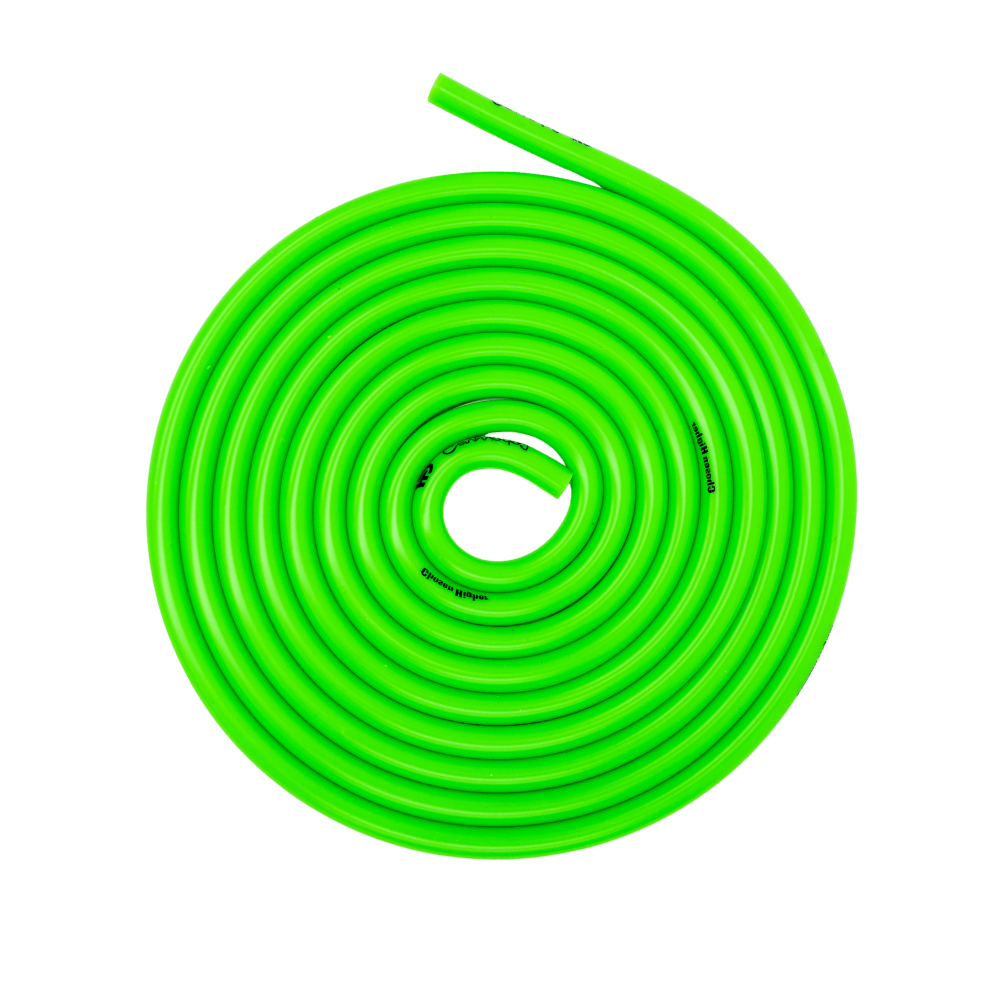
Last night, I made the decision to order their newest band that may or not be around much longer which is the Chosen Higher Band. It's the same material, same length but the resistance is much lighter and it's suited to just about about everyone since it's a one size fits all type of band. The reason why I got this wasn't to replace the black one I have, it's to utilize another approach to my conditioning with the bands by working technique, control and some power/explosiveness with one band and really hammer out my speed, reflexes, quickness and agility with the other. 

I look at it as doing one or the other on certain days and if anyone is up for training with me and doing a workout with the bands together, I'll give you the green band whether you're advanced or just a beginner with this kind of training and we can tackle a kick ass session together. It's a win-win in my book. The band is great for adults, teens and kids who are looking to stay fit and build up their condition and stamina. 

This particular band is awesome for working techniques in various sports like Wrestling, Boxing, Judo and even Football. College level athletes use bands like these to drill and work on moves that can be used in regular games. Some of the best wrestlers in the world work with bands like these as high up as the Olympic & World level and quite a number have won medals in the process and credit these bands for developing their technique, leg drive, speed and durability. Little kids can even use this thing for youth sports training and even get excess energy out that can be a part of doing bodyweight and playing on the playgrounds. 

One of the best perks of having bands like these is that it's virtually indestructible. They've even had contests from various practitioners on who can snap the band. As far as I know, none of them were able to do it and these bands already can be put through the grind. If I venture to guess who can possibly snap a band, maybe Brian Shaw or a strong wrestler with insane grip and shoulder strength. Other than that, this thing has been tested in ways 95-98% of other bands would snap within seconds of even on the first use. Myself, I have pounded this band on concrete, dirtied it up, stretched it to the best I can from sprints and explosive training and still don't see a scratch or even a tear in this fucking thing. These bands, make chest expanders and even ones powerlifters use for training look weak. 

Working with the band has helped my training outside of it very well and strengthens my mobility and flexibility. At 41 and seeing many athletes my age already having knee replacements, hip replacements, ankle tears, joint problems and are in constant pain, I feel it's my duty to help those minimize those things to living pain-free as best as possible along with my own training. You've heard enough of my story and some of the things I've been through and you know that I've had enough dealing with pain that I wouldn't wish on anybody and don't want to experience it again. I don't believe in going to such extremes anymore of doing things that challenge the risk to reward ratios. With the band and even bodyweight I'll do high rep work (in total) but not make it my whole existence, I want to walk out of a session with gas left in the tank, not feeling so sore I can't move well hours or even a day later and also don't need to push it to the point of feeling pain. That whole "no pain, no gain" thing is bullshit, it may be something bad ass you want to think of in your 20's, maybe 30's but 40 and beyond, it'll be harder to heal up again and injuries are at a greater risk of happening. I'd rather have a brutal session that makes me feel great and alive than to go so hard that my bones are tested to see if they snap. 

Conditioning is your greatest asset along with long-lasting and temporary strength but that's for any age. As we get older and priorities change even by the smallest fraction, the ability to get up off the floor, being mobile, limber and agile becomes assets that you'll want to have moving forward. That doesn't mean you can't have insane sessions, as long as you can keep at it without needing to go to the ER or be sore that it takes away certain aspects of your daily life for a period, do what's possible. I have believed in since I was 21 years old that daily training is valuable and in part necessary to have a long and quality life, but it is important to understand when to go hard and when to back off a bit and focus on things that keep you moving. 

Made many mistakes along the way but as of right now, I'm where I'm supposed to be at this point in time and I'm loving that I don't live in pain, able to climb stairs with ease, walk for miles with a vest on and workout anywhere I want. This band will be a great addition (not supplementary) to my arsenal of continuous training and building knowledge of what I can do as time goes on. Come and grab one before it's gone at Dopamineo.com. Use my discount code POWERANDMIGHT to get 10% off the order, that's $8.30 from the full price so nearly 10 bucks off just using my code. What have you got to lose? 

Be amazingly awesome and keep killing it in your journey. Live pain-free and own your workouts. 

Saturday, January 24, 2026

Unleash The Essence Of A Fighter Dinosaur Style: 100 Strength Training Tips For Combat Athletes


 Do Dinosaurs fight? In this case, it sure as hell does. A legendary section from the Dinosaur Training course that first roared to life as a two-part article in The Dinosaur Files newsletter. We're talking way back in the late 90's, when the world was still chained to fluffy fitness fads and dumbbell curls for show. But, it has been seen that the mighty have risen! This wasn't just ink on paper; it was a thunderclap that shattered the status quo, and the echoes? They're still shaking the foundations of training halls worldwide.

Back then, The Dinosaur Files was the underground bible for those who craved real strength – not the polished, pretty-boy kind, but the primal, beast-mode power that turns men into legends. That two-part series on the "100 Tips"? It exploded like a keg of dynamite. Hands down, it may have been the most popular article ever to grace those pages. Feedback poured in like a tidal wave – letters, calls, smoke signals from the trenches. Trainers, fighters, and everyday warriors hailed it as the gospel of grit. Why? Because it wasn't about chasing mirrors or pumping for selfies. It was about forging unbreakable bodies for the real fight – combat, survival, dominance.

Fast forward through the decades, and watch the transformation unfold like a epic conquest. Those ideas Brooks unleashed? Once labeled "pretty far-out" by the skeptics – the keyboard critics and the barbell benchwarmers – they've clawed their way into the mainstream. Dinosaur methods aren't fringe anymore; they're the gold standard for combat athletes grinding it out on mats, in rings, and under the lights. Some of the best grapplers and strikers of all stripes adopted these secrets and ascend to glory. Hell, at least two World championships in grappling arts have been claimed by athletes who trained Dino-style. Think of it, a fighter wrapping his hands around gold, his body sculpted not by machines, but by the raw, unrelenting principles of old-school power. That's the Dinosaur roar echoing through victory!

But it doesn't stop in the cage or in a dojo. No fucking way, this revolution has stormed the fields, courts, and pitches like an unstoppable horde. Football players at high school, college, and pro levels? They're Dino devotees, bulldozing through lines with that unbreakable core strength. Rugby beasts? Charging like rhinos, thanks to the same brutal basics. Basketball phenoms? Leaping higher, enduring longer, all fueled by these timeless truths. One NFL head coach – a titan in his own right – was so fired up by these workout ideas and philosophy that he bulk-ordered copies of Dinosaur Training for every single player on his roster. How bad ass is that, an entire team of gridiron gladiators, each clutching the manual that turns potential into powerhouse. They didn't just read it; they lived it, pounding the iron with purpose, emerging as champions forged in fire.

And let's talk rugby royalty – the legendary All Blacks. One of their top strength coaches, a master of might, weaves Dinosaur methods into his programs like threads of steel. Those warriors from Down Under? They're not just playing; they're dominating with the kind of functional ferocity that only comes from embracing the basics: heavy lifts, grip work, odd-object training that mimics the chaos of battle. It's no coincidence they're perennial powerhouses. Then there's the NBA angle – a famous strength coach, back when he was molding the Chicago Bulls, was working with none other than Michael Jordan – the GOAT himself – and he credited Dinosaur Training for elevating their game. Picture MJ, soaring through the air, his explosive power amplified real-world strength over gym gimmicks. That's the ripple effect, brothers – from the hardwood to the end zone, Dino principles are the secret weapon.

Now, for those who think this is just sports fluff, let's crank it up a notch. Dinosaur Training isn't confined to arenas; it's infiltrated the front lines of real-world heroism. A man who specialized in tactical self-defense for Canadian law enforcement – yeah, the Mounties themselves – was a die-hard fan. He didn't just nod along; he integrated these methods into his curriculum, teaching officers how to harness raw power for survival scenarios. A Mountie, red serge and all, drilling Dino-style: sandbag carries for endurance, thick-bar pulls for unyielding grip, abbreviated workouts that build unbreakable resilience. In the heat of a takedown or a pursuit, that kind of strength isn't optional – it's life-saving. Yes, the guardians of the North train like Dinosaurs, proving these secrets transcend games and enter the realm of duty and defense.

What makes these 100 tips so enduring? It's the purity, the primal essence. We're talking about ditching the bullshit: no endless sets, no fancy machines, just heavy basics done right. Squats that build legs like tree trunks. Deadlifts that forge a back of steel. Presses that turn shoulders into boulders. Grip work that made the hands into weapons of destruction. Odd lifts – stones, barrels, anvils – that prepare you for the unpredictable grind of life. Mental toughness drills that turn doubt into dominance. Nutrition that's straightforward: fuel like a warrior, not a dieter. Recovery strategies that honor the body's roar, not its whisper. These aren't trends; they're timeless truths, drawn from the old-time strongmen who lifted before science tried to sanitize or even complicate strength.

Many have seen the evolution firsthand. In the '90s, folks scoffed at abbreviated training – "Too short? Not enough volume?" Now? It's the smart path for busy athletes who want results without burnout. Grip training was niche; today, it's essential for grapplers locking in submissions (Imagine trying to get out of a Double Wrist Lock when the guy applying it is like a vise). Functional strength over isolation? Combat sports live by it. Even periodization with Dino twists – waves of intensity, deloads like a beast in hibernation – has become staple. And the community? It has exploded. Forums buzz with Dino stories, gyms echo with the clang of real iron, and social media warriors (the good kind) share their triumphs.

Don't just read about these incredible tips – embody them! Whether you're a weekend warrior, a pro athlete, or a first-responder honing your edge, these principles are your forge. Start simple: Pick three basics, hit them hard, recover smart. Build that Dinosaur mindset – relentless, unbreakable, ever-evolving. I've done a few things in honor of this course because I believe in the power of the primal. From those newsletter pages to world stages, the proof is in the pudding.

As we charge into the future, remember: Strength isn't given; it's seized. These are your arsenal. Grab 100 Strength Training Tips For Combat Athletes, apply the fire, and watch your world transform. Are you in? Drop your Dino stories below, I want to know what it did to help you in your journey. Be amazingly awesome.


Here's a powerful song to amp you up that makes Pre-Workout look weak. WarChants man. Hear the Goblin War Drums....


Thursday, January 15, 2026

The Mishra Dand Exercise – An Ancient Exercise That Builds Unstoppable Conditioning

In a world drowning in gimmicky workouts, quick-fix apps, and fleeting fitness trends, there's an ancient beast lurking in the shadows of history, waiting to awaken a force within you. It's called the Mishra Dand – a powerhouse exercise straight from the heart of ancient India, forged in the fires of yogic wisdom and wrestler grit. As someone who's delved deep into the realms of strength and resilience, I've been learning what this move can do to turn mere mortals into legends. Today, I'm here to ignite your spirit and give you an idea on why the Mishra Dand isn't just an exercise; it's a revolution for your body, mind, and soul.

Let's start at the roots. The Mishra Dand, often spelled as Mishr Dand or Misr Dand (derived from the Sanskrit word "misra" meaning "mixed" or "blended"), is a dynamic fusion of the traditional Hindu Push-up (Dand) and elements of the Baithak (squat). This isn't your granddaddy's push-up; it's the OG burpee of the East, predating modern CrossFit by millennia. Born in the akharas (traditional wrestling gyms), where pehlwans (wrestlers) honed their bodies for epic battles, the Mishra Dand was a staple in the Vyayam (exercise) regime. Think of it as a seamless blend of yoga's fluid grace and raw, explosive strength training. Historical texts and oral traditions from Indian martial arts like Vajra Mushti (Diamond Fist) reference similar movements, used by warriors to build endurance that could outlast sieges and stamina that turned the tide in combat.

Why does this matter? In an era where we're chained to desks and screens, the Mishra Dand reconnects us to our primal heritage. It's not about vanity muscles; it's about functional power – the kind that lets you conquer mountains, dominate challenges, and rise above adversity. Strength isn't built in isolation; it's woven from discipline, flow, and fire. Incorporating the Mishra Dand into your routine is like unlocking a secret level in the game of life, another version of the Game Genie if you will.

Here's a variation of how I've been doing it and have already gotten a total of a couple hundred since I started with it.....


Aim for 3 sets of 10-15 reps initially, but listen to your body. Do your best to keep form. Some perform this so explosive it seems radical but when you slow down the speed a smidge and focusing on control, it's a hell of a workout.

Visualize it: Imagine a warrior flowing like water yet striking like thunder. That's the Mishra Dand in action.

The benefits? Holy shit, where to start? Physically, this exercise is a total-body annihilator. It torches fat faster than a bonfire, making it a marvelous tool for weight loss – ancient pehlwans swore by it to shed pounds while packing on muscle. Your chest, shoulders, triceps, and forearms get sculpted; quads, hamstrings, and glutes fire up from the squat element; and that core? Toned to perfection, with improved posture from the spinal stretch. Studies on similar movements, like Hindu push-ups, show enhanced cardiovascular endurance, boosting VO2 max and stamina. But it's the agility that sets it apart – the explosive jumps build fast-twitch fibers, turning you into a nimble force ready for any challenge, be it sports or survival. Some of the wrestlers who still practice this have some insane physiques.

Mentally, this exercise is pure inspiration. Each rep is a battle against gravity and doubt; conquering 100 in a session (a common akhara goal) or within a day, instills unbreakable discipline. It's therapeutic too – the yogic flow reduces stress, balances hormones, and elevates mood via endorphin rushes. Imagine starting your day with Mishra Dands: You're not just working out; you're ritualizing victory, channeling the might of ancient sages who used this to prepare for enlightenment and war alike.

But wait, it's more than just muscles and developing a strong body. The Mishra Dand embodies philosophy. In Indian lore, it's tied to Hanuman, the monkey god of strength and devotion. Each rep honors that, devotion to self-improvement, strength in humility. 

Challenges ahead? Absolutely. Your first sessions might leave you gasping, muscles screaming. But that's the forge, rest as long as needed between sets and slice off those periods little by little. Start small, build consistently. 

 Embrace it, and unlock that power within you. Rise, flow, explode – repeat. Your body will thank you, your spirit will soar. Be amazingly awesome and find out what you're capable of.

Monday, January 5, 2026

From Farm Boy to Beast: The Unstoppable Journey of Dan Severn and What It Teaches Us About True Strength


As part of this new year in 2026, I've been reflecting on what it means to build real, lasting power—not just in the gym, but in life. You know, the kind of strength that comes from grinding through setbacks, adapting your training, and never letting failure pin you down.  One of the books I've read at least twice, about one guy who always stands out is Dan "The Beast" Severn. If you're into wrestling, MMA, or just tales of sheer resilience, his autobiography, The Realest Guy in the Room, is a goldmine. It's not just a bio; it's a blueprint for turning humble roots into legendary might. Today, I want to unpack his epic journey, draw out the inspiring lessons, and tie it all back to how we can apply that beast-mode mentality to our own training and lives. Are you ready? Let's hit it....

Let's start at the beginning, because Dan's story screams "underdog origins." Born in 1958 as a Mid-Michigan farm boy, Dan Severn grew up in Coldwater, a small town where hard work wasn't optional—it was survival. See this in your mind's eye: a kid hauling hay bales, milking cows, and wrestling siblings in the barn before he even knew what a mat looked like. Farm life built his foundation—raw strength from manual labor, mental toughness from early mornings and endless chores. By high school, Dan exploded onto the amateur wrestling scene. He wasn't just good; he was dominant. A two-time state and national champion, he set eight national records. We're talking pinning opponents who outweighed him by 100 pounds, all while weighing in at the lower end of heavyweight. His recruitment? Historic. Colleges lined up, and he chose Arizona State University, where he became a two-time All-American. If you're reading this and feeling like your starting point is too ordinary, remember: power isn't born; it's built, one rep, one hay bale at a time.

But here's where the story gets REAL—and really inspiring. Dan had Olympic dreams locked in. We're talking 1984 Los Angeles Games, where he was a top contender in Greco-Roman wrestling. He was an alternate twice, silver medalist at the 1980 NCAA Championships— the guy was primed. Then, bam: injuries struck. A nagging knee, back issues from years of takedowns and bridges. Worse, backroom politics and controversial decisions at the trials derailed him. No gold medal, no glory. Instead of breaking him, though, this setback fueled a pivot that changed combat sports forever. With a family to support—Dan was married young and had kids—he needed to provide. Traditional jobs? Not cutting it. So, he turned to the wild world of no-holds-barred fighting. Enter the UFC in its raw, early days—1994, UFC 4. No weight classes, no time limits, just pure survival. Dan, at 36 (ancient by fighter standards), stepped in with his wrestling base and became "The Beast." He didn't have flashy kicks or punches; he had ground control, submissions, and an unyielding will. In UFC 5, he won the tournament, then the Superfight Championship, and capped it with the Ultimate Ultimate 1995 title. Boom—UFC's first Triple Crown winner. His MMA record? A staggering 101 wins, 19 losses, 7 draws, fighting until age 52. That's not just longevity; that's legendary grit.

What makes Dan's MMA rise so powerful is how he adapted. Coming from amateur wrestling, where strikes were forbidden, he entered a cage where anything went—elbows, knees, headbutts. Yet, he dominated with grappling. His style: take 'em down, control the position, submit or ground-and-pound. Pioneering stuff. He beat legends like Oleg Taktarov and Tank Abbott, proving wrestling could rule in mixed martial arts. But it sure as hell wasn't easy. Early UFC had no gloves, minimal rules—pure chaos. Dan talks in his book about the fear, the unknown opponents, and the physical toll. One fight, he dislocated his shoulder mid-match but popped it back and kept going. That's the beast mentality: pain is temporary, quitting is forever. Dan didn't burn out; he evolved. He incorporated judo, sambo, even pro wrestling moves to stay ahead. Speaking of which, let's shift to his pro wrestling career, because that's where "The Beast" became a household name beyond the cage.

Started in '92 being trained by Al Snow in pro wrestling, by 1995, while holding UFC gold, Dan won the NWA World Heavyweight Championship—the same belt legends like Lou Thesz held. He was the first (and only) to hold MMA and pro wrestling world titles simultaneously. His WWF stint in the late '90s? Iconic. Managed by Jim Cornette, he brought real credibility to the Attitude Era. Remember the Brawl for All tournament? Dan advanced but withdrew to avoid injuring scripted stars. He feuded with Ken Shamrock, blending real MMA with entertainment. Even in Japan with promotions like RINGS, he was a monster. What is incredible is how Dan stayed authentic—"the realest guy in the room." No fake personas; just a mustached farm boy who could suplex you into next week (Even Sheikey Baby knew this). His pro wrestling gigs made him a hot free agent, mimicked by guys like Brock Lesnar. But Dan never forgot his roots. He ran wrestling schools, coached, and emphasized fundamentals: strong neck, core stability, mental prep. Neck training, folks—that's huge. In my recent posts, I hammer on building a strong neck using isometrics and other things such as bridges and the Neck Flex. Dan's career shouts like a war cry why: wrestlers and fighters take hits to the head, but a thick, strong neck minimizes concussions and injuries. He built his to tank punishment, and at 67 now, he's still coaching without regrets.

Dan's story isn't just about wins; it's about the powerful lessons in failure and reinvention. After Olympic dreams crashed, he could've given up and walked away. Instead, he provided for his family by turning those setbacks into fuel. His initial MMA bouts? He lost some, but learned. That resilience? Gold for us. I've dealt with sciatica and other things—stuff that would give me many reasons to give in, but like the beast, I adapted: more bodyweight flows, band work with DopamineO (use code POWERANDMIGHT for discounts!), and mindful recovery. His book pulls no punches on the dark sides—divorces, financial struggles, the toll of 120+ fights. Yet, he emerged stronger, a UFC Hall of Famer, inspiring generations. Think about it: from farm chores to cage dominance, Dan shows that true power comes from authenticity. Be real—whether it's the gym, office, or home. Don't chase hype; build sustainable strength. Train smart: mix high-intensity circuits (like my Broadway Workout—29 rounds of hell!) with yin recovery workouts. Focus on neglected areas—neck, grip, core—to prevent breakdowns. And mindset? Unshakable. Dan didn't have cauliflower ears or a tough-guy scowl; he had quiet confidence.

Wrapping this up, Dan Severn's journey is a testament to what happens when you refuse to stay down and keep fighting. From Mid-Michigan fields to UFC cages and wrestling rings, he became "The Beast" not by luck, but by relentless adaptation and heart. If you're grinding through your own setbacks—maybe a stalled fitness plateau, life curveballs, or just needing motivation—channel Dan. Start small: add bridges to your routine for that beast neck, hit a sandbag session for wrestling vibes, or just reflect on your "why." His story proves: injuries heal, dreams evolve, and true might comes from within. Keep killing it out there, folks. Be amazingly awesome and stay balanced. What's your takeaway from Dan's tale? Drop it in the comments. Until next time, train hard, recover smarter.

Friday, January 2, 2026

At Forge Going After The Sandbag

 My wife and I joined a gym down the road from us just before New Years called Forge Fitness. It has that old school gym vibe with plenty of barbells, iron plates, dumbbells up to I think 150 lbs and racks. Still has a few machines and bikes but the rest is more my forte. On another side of the gym there's a gymnastics mat that can also be used to practice wrestling drills and such next to some other machines, kettlebells, a mace, battling rope and sandbags. 

This was our 2nd time there and I wanted to try some stuff with a 100 lb Sandbag. Started out with some Joint Loosening to get myself "warmed up". Did shoulder to shoulder slams for 2 sets alternating each shoulder 5 times. The next exercise I wanted to do was something was a wrestling type drill where I would put the bag in a headlock on the ground and isometrically squeeze, switch to the other side like a sit-out and repeat, kept going until fatigued. Took a breather and then did another set of that. The guy near me was doing some Yoga and boxing drills to warm up and asked if I was a wrestler and as we were going through our own thing, got to talking with him about Catch Wrestling and even showed him a standing Double Wrist Lock from my POV the way it was shown to me. That was pretty fun and kept on doing stuff with the Bag.

Throughout, I also did 4x5 Squats with the Bag since it has been a while since I've done those. Finished off with some Wall Walking into a Bridge. Definitely been some time doing these and it was a bit humbling but I was still able to do them. Did 10 of those and then my girl and I headed back home. Since it has been a while doing exercises like these, I was a little stiff in my lower back so I did some heat and ice just to keep things in check, no pill popping or muscle relaxers and I was fine after 20 minutes of each. Work on some agility later, deep breathing training and maybe some Dopa Training to keep myself moving and loose. 

This gym in particular would be a dinosaur style gym compared to places like Anytime, Planet or even our Rec Center. There's nothing really fancy about this place and it's the type of place meant for powerlifters, old time bodybuilding and regular fitness. In the room with the long stretched Gym mat, it's the type of place where I can bridge, practice drills and play with some cool toys near the barbells and dumbbells. One machine in particular I like is the Infinity Rope, I like that better than pulldowns cause you get more of an upper body workout continually pulling. Did 3 sets of 1 min pulls the first day we went in and that was nasty to me cause I've only done an infinity rope maybe one other time. 

That first day was just figuring the place out...Did Bench Press, Pull-Ups, Rope and Mace Swinging. Even today it was getting a feel for things and doing things again that keep me strong and in good shape. That drill switching to headlock and squeeze the bag was intense and got my heart rate up pretty damn quick. The switching looked more like a side bear crawl to a side out but it's quite anaerobic for sure. I like training like an athlete but I'm not going to push so far that it's going to hurt me. Just do enough to work things effectively and get the fuck out, that's always been my motto in and out of the gym. 

A New Year and new ideas to train that are resourceful and functional. Sticking to basics as much as possible and have fun with what's available. The cost per month is actually pretty reasonable and it's open 24/7 to members. Part of the journey man. Keep killing and be amazingly awesome.   

Monday, December 15, 2025

Unleashing Legal Pain: Wade Schalles' Pinning Bible Will Turn You Into a Mat-Dominating Beast – It's Time to Pin Like a God


Listen up, for those that are sweat-soaked savages of the mats, the choke-hungry hunters of the guard and the relentless rollers who live for that sweet, soul-crushing moment when your opponent's eyes bulge like overripe grapefruits and they realize they're DONE. Yeah, you know who you are – the ones who train till you reek like a forgotten gym sock in hell, who wake up with bruises that look like abstract art painted by a drunk Picasso. If you've ever felt that fire in your gut, that primal roar demanding you don't just submit them...you break, pin and fucking own them, then get ready guys. 

Today, we're marching into the goddamn apocalypse of grappling control: Legal Pain: Mastering the Art of Pinning by the one, the only, the true king of the Pin himself, Wade Schalles.


If I had to pick one of if not the best way to control somebody – It's the raw power of pinning. Nothing flashy or full of bullshit. Learn the art of turning your foe into a human paperweight, flattening them out like a steamroller and making them question every life choice that led to this moment of exquisite, legal torment. And let me tell you about Wade Schalles? That man's not just a coach. He's like the architect of agony. The Guinness Book of World Records crowned him the all-time leader in wins and pins. Wins and pins, people! That's like saying Michael Jordan not only scored the most points but also invented the hoop.

If you're still rolling your eyes, thinking "Pinning? That's for wrestlers, not BJJ players," let's set that crap aside for a moment. Pinning isn't some dusty relic from the spandex era of amateur wrestling. It's the skeleton key to unlocking your inner dominator – whether you're slapping around white belts in your academy, prepping for that no-gi comp where the ref's blind as a bat, or just straight-up surviving a street scrap. Schalles' masterpiece? It's four volumes of pure, unadulterated mat mastery, clocking in at a price that won't make your wallet weep ($79 – cheaper than a bad tattoo you'll regret). We're talking battle-tested gold from a guy who's originated moves like the spladle (yeah, he birthed that leg-splitting nightmare), blended with grainy footage from his glory days and crisp modern breakdowns that make you feel like you're whispering sweet nothings to the camera while choking out your demons.

But why the hype? In a world drowning in scams such as "Extreme Training is the only way to go" by guys who weigh a $1.05 and charlatans that couldn't pin a wet noodle, Legal Pain is the antidote. It's the thunderclap that reminds you: grappling isn't about flowy armbars or that one triangle you hit once in a blue moon. It's about CONTROL. It's about riding your opponent like a bucking bronco on bath salts until their will to fight evaporates like morning dew under a Texas sun. And Schalles? He delivers it with the precision of a surgeon who's also a sadist. Legal pain, baby. The kind that hurts so good, you'll thank him while icing your ribs.

Let's crank this engine and tear through the volumes, shall we? Breaking it down like Frank Gotch broke down opponents – methodically, mercilessly, and with a side of "holy shit, why didn't I know this sooner?" Learn about the techniques, the philosophy, the "aha" moments that will have you pausing the vid to scribble notes and more. By the end, you'll be foaming at the mouth to hit play, strap on your gear, and turn your next roll into a pinning clinic. Ready? Let's go.


Volume 1: The Foundation of Fury – Conditioning, Breakdowns, and the Sweet Symphony of Squashing


Image it: You're 20 seconds into a roll, and your partner's already squirming like a worm on a hot sidewalk. That's the magic Schalles unleashes right out the gate. Volume 1 kicks off with an intro that feels like a pep talk from Zeus himself – Wade's voice gravelly with decades of grit, laying out why pinning isn't optional; it's the soul of the sport. He dives straight into conditioning, because let's face it, you can't pin a dude if you're gassing out faster than a politician at a fact-check. We're talking drills that build that iron-lung endurance, the kind that lets you ride for minutes without your arms turning to linguini. The carryover will shock the hell out of you.

Then comes the meat: Legal Pain. Schalles doesn't mince words. He shows you how to inflict discomfort that's 100% rulebook-legal but feels like Satan's foot massage. Front chancery? Forget the limp version you learned from YouTube Sensei; Wade's entry is a vice grip that turns heads into bobbleheads. All varieties of the Nelson – full, half, reinforced – get the royal treatment, with entries from whizzers, chicken wings, and that turkey bar variation that'll have you grinning like the Cheshire Cat mid-match. And the breakdowns? Holy shit-balls Batman, the breakdowns. He teaches you to ride, turn, and tilt with mechanical efficiency, using body angles that make physics your bitch. Spiral ride? It's not just spinning; it's a vortex of doom that sucks your opponent flat. Driving them? Like herding cattle with your hips as the prod.

But here's where this master shines: the strategy. He weaves in finishing pins, situation pinning (because not every pin's a textbook nearfall), and counters that keep you one step ahead. Arm bars and chicken wings get a full breakdown – six ways to snag them, three series variations, even doubles for when you want to make them tap like a typewriter and cry. If Volume 1 is your warm-up, it's the kind that leaves you sweat-drenched and starving for more. About 45 minutes of gold, and you're already pinning shadows in your dreams.


Volume 2: From the Bottom to the Breakdown – Load-Ups, Rolls, and Headlock Hell


Alright, time to flip the script. Ever been stuck on bottom, feeling like a human trampoline for some crazy strong gorilla? Volume 2 is your jailbreak manual. Schalles starts with pinning from down – load-ups that turn defense into offense faster than Trump opening his mouth to say something about Fake News. Olympic bar? It's not a weight room toy; it's a shoulder-shredding beast that lets you bridge and roll like you're possessed. Nearsides, one-on-ones – variations that have you bridging higher than your caffeine intake on Mondays.

Then, the Clemson roll. Oh damn, the Clemson roll. Wade breaks it down with footage from his prime, showing how to chop that tight waist and explode into reversal gold. Front and reverse headlocks get the spotlight too – situation pinning from standing or sprawled, turning scrambles into squashes. And the spladle? As the originator, Schalles owns this. He demos entries that split legs like Moses parting the Red Sea, with finishes that pin and threaten subs. Conclusion? A mic-drop on why these tools make you unpredictable.

This volume's a beast for no-gi folks too – those headlock takeovers translate seamlessly to MMA scrums. About 50 minutes, but each second's a sledgehammer to your complacency. You're not just learning moves; you're learning to think like a pin artist.


Volume 3: Leg Wrestling Wars and Crab Ride Carnage – Counters, Cradles, and the Art of the Squash


Now we're in the deep end, you leg-entangling lunatics. Volume 3 is leg wrestling fundamentals on steroids – getting into legs, putting backs to the mat, and riding them till they beg for mercy. Schalles covers cross-body variations like a boss, near cradles that lock in like divine handcuffs, and reinforced half nelsons that feel indestructible. Crab ride? It's not crabby; it's a crustacean of control, pinning from angles that defy geometry.

Counters are the cherry – escaping legs, neutralizing cross-bodies, even pinning from standing when the ref's distracted (kidding... mostly). He drops philosophy bombs too: Pinning as the soul of wrestling, why it builds unbreakable mental toughness. Fundamentals of leg wrestling alone are worth the price – entries, finishes, and that "putting on back" sequence? Game-changer for BJJ bottom feeders looking to invert their fate.

Clocking ~55 minutes, this one's for the tacticians. It ties wrestling roots to modern grappling, making you a hybrid monster.


Volume 4: Clock Theory, Survival, and the Psychology of Breaking Wills – The Main Event


Volume 4 is the boss level, the philosophical gut-punch that elevates pinning from technique to terrorism of the psyche. Clock theory? It's Schalles' secret sauce for timing rides, bar arms, and survival escapes. Bar arms sound innocuous? Nah, they're leverage that turn 150-pounders into a 300-pound nightmare. Mechanical advantage in bear hugs? He shows how to out-muscle giants, neutralizing guards in MMA with chokes and cradles that scream "tap or nap."

Front trachea choke, cross-face cradle series, submissions from leg rides – it's a buffet of brutality. Knee to ribs for that extra "oomph," headlock takeovers that end rounds before they start. And the philosophy? Platinum. Taking away the will to win, optimizing strategy, referee awareness (because nothing says pro like gaming the stripes). Wade even shouts out the "Babe Ruth of wrestling" vibes. Riding legs wraps it up, a full-circle reminder that control is KING.

~60 minutes of mind-melting mastery. By now, you're not watching; you're *absorbing*, ready to unleash.


Why This Will Change Your Game – Benefits, My Rant, and Your Call to Arms


Look, I've ranted about fitness fads – the extremists, the snake oil "Guru" that smokes and is an alarming caffeine addict (same type who claims to lose 132-264 lbs in less than 8 weeks), even guys that write about doing barbell squats on a stability ball is a good idea that just need to move onto a different endeavor. But Legal Pain? It's the real deal. Benefits? Overhauled riding, turning, tilting – your top game's a fortress. High success rates against beasts twice your size. Mental edge: That "taking away will" philosophy? It's therapy for your inner competitor. MMA crossover? Neutralizing guards alone saves tournaments. Conditioning? Built-in, sustainable, no-bullshit.

So, what's the hold-up? For $79, you get four volumes of legend-level lore. Pin like Wade, live like a god. Be amazingly awesome. Train hard, pin harder, and remember: In the mats of life, control is king.

Thursday, October 9, 2025

The Epic Saga of DopamineO Bands – Forged in Fire And By Masters Of The Mat

In the brutal arena of fitness, where sweat is your war paint, DopamineO Bands emerge as the ultimate weapon for those daring to conquer their limits! These bands aren't mere tools; they're legendary artifacts that ignite transformations, shatter plateaus, and forge unbreakable champions. Prepare to stretch your limits and unleash the dopamine-fueled fury within! 


The Legendary Origins of DopamineO Bands: Weapons of Unrelenting Power!

Born from the iron will of Dagestani wrestlers, Olympic titans, and MMA gladiators, DopamineO Bands are 16-foot silicone behemoths delivering 0-230 lbs of savage, adjustable resistance! Hypoallergenic, odorless, heat-proof, and water-resistant, these bands boast a 600% stretch capacity and a one-year warranty that laughs in the face of weakness. They're top of the line bands that are tough as hell, just like the athletes who use them. Endorsed by gods and goddesses of the Mat & Cage like Henry Cejudo (Olympic gold and dual MMA champ), Helen Maroulis (first American female wrestling gold medalist), and Magomed Ramazanov (2024 Olympic Freestyle Gold), they simulate the chaos of combat—throws, takedowns, and explosive strikes. Anchor them to doors, trees, or even in water for aquatic warfare, and access lifetime videos to master over 500 drills. Portable? Hell yes—stuff them in your bag and turn the world into your battlefield. As weapons of unrelenting power, forged for those who crave the thrill of victory. Whether you're a kid channeling boundless energy or a senior reclaiming mobility, these bands adapt to all, building bonds in group sessions or couple workouts that strengthen bodies and spirits alike.


Epic Benefits: Ignite Strength, Endurance, and Immortality!


I've chronicled thunder with tales of triumph: These bands don't just build muscle—they sculpt legends! Target every fiber—chest, back, legs, shoulders—with variable resistance that ramps up like an opponent's desperate pushback, perfect for explosive takedowns and throws that turn you into an unstoppable machine.

- *Unleash Explosive Power and Strength*: Blast through hell (safely of course) to forge muscles that endure the longest battles. Helping you prepare and get ready to crush any foe.

- *Endurance That Defies the Gods*: High-intensity circuits and intervals torch calories, skyrocket stamina, and deliver an endorphin rush that makes the world feel more powerful. Low-impact yet brutal, they spare joints while unleashing killer workouts—Hell, I've sweated like a fucking fountain during these crazy sessions and loved every drop.

- *Versatility of the Ages*: Train in parks, beaches, or forests—anywhere the fight calls. Endorsed by pros who swear by their grip and explosiveness. Portable for travelers, versatile for all, they're the ultimate ally in your quest.


Forge Your Legacy: Epic Workouts That Shatter Limits!


*Deck of Cards Apocalypse*: Shuffle fate with exercises such as a Push, Pull, Squat, Jump & The Propellers. Can you conquer the 1000 Rep Challenge?

*Sprint into glory with Explosive Bipedal Sprints*: Anchor and charge against resistance for bursts that build god-like speed. Combine with bear crawls or shadowboxing for combat supremacy.

*Intervals of fury*: 45 seconds doing what's possible, 15 seconds rest, up to 30 minutes—My own park sessions flow like poetry in motion, technique sharp, breathing steady, gassing out a distant memory!


*Claim Your Destiny: Seize DopamineO Bands Now!


Whether rehabbing wounds, ascending athletic peaks, or dominating daily life, they await your command. Storm dopamineo.com, wield code POWERANDMIGHT for 10% off, and join the ranks of Men & Women that Band Together, it doesn't matter if you're a wrestler or fighter or neither. Stretch your limits, unleash your power—your saga begins today!

Wednesday, October 1, 2025

Transform Your Fitness Journey With Dopamineo Bands

From fitness enthusiasts to weekend warriors, it's likely you're on the lookout for effective and versatile training tools to take your workouts to another level. Like many, you might associate resistance bands with specific sports or activities, such as wrestling or other martial arts. However, DopamineO Resistance Bands are more than just a niche tool for athletes – they're fucking incredible for anyone looking to get fit, improve their strength, cardio and boost their overall well-being.

For today, we'll explore the benefits of DopamineO Resistance Bands and how they can be incorporated into your fitness routine, regardless of your fitness level or goals and/or age. From strength training and mobility work to rehabilitation and injury prevention, these bands offer a wide range of applications that can help you achieve your fitness aspirations. They're even used by kids as young as 4-5 years old to get that energy out. For you parents and coaches out there, this can be a godsend.


-What are DopamineO Resistance Bands?

The Bands are high-quality, durable and provide a versatile and effective way to work out. Made from premium materials like silicone, these bands offer varying levels of resistance, allowing you to tailor your workouts to your specific needs and goals. Whether you're a seasoned athlete or just starting out on your fitness journey, they can help you achieve your objectives. Each band is carefully made for those in various weight classes like in Wrestling. 


-Benefits for All Fitness Levels*

One of the primary advantages of these Bands is their accessibility. Unlike some fitness tools or equipment that might be limited to specific sports or activities, these bands can be used by practically anyone. Here are just a few ways DopamineO Resistance Bands can benefit you:

- *Improved Strength*: Resistance bands offer a unique way to challenge your muscles and improve strength. By incorporating bands into your workouts, you can target specific muscle groups and work on building strength and endurance. Not to mention the level of conditioning you can acquire from being able to move and work many positions. 

- *Increased Mobility*: They can be used to improve mobility and flexibility. By incorporating dynamic stretches and movements into your routine, you can increase your range of motion and reduce your risk of injury. The resistance helps you find the weak points and give you something to work on to improve your movements.

- *Injury Rehabilitation*: Resistance bands are often used in rehabilitation settings to help individuals recover from injuries. DopamineO can be used to target specific muscle groups and help you rebuild strength and mobility after an injury. They've helped me recover from my own injuries such as Sciatica. 

- *Convenience*: One of the best things about the Bands is their portability. Whether you're traveling, short on space, or prefer to work out at home, these bands offer a convenient way to stay active and fit. I've used them at the lake, on the beach on the west coast, at parks and other places.


*How To Incorporate DopamineO Resistance Bands into Your Fitness Routine*


If you're interested in giving DopamineO Resistance Bands a go for yourself, your family, or in groups; here are a few ways to incorporate them into your fitness routine:

- *Start with Light*: If you're new to resistance bands, start with light resistance and gradually increase the intensity as you become more comfortable with the bands. These bands can stretch very long and the chances are very slim of them tearing. I've had mine for a couple years and it still can take a beating. Don't go for maximum intensity of the band, lighten the load of it and ease into it, work on exercises that keep you going but not pushing the limits just yet. Let it come naturally.

- Focus on Proper Form*: As with any exercise, proper form is essential when using resistance bands. Take the time to learn proper form and technique to get the most out of your workouts. Don't force anything and always be in control. The three ingredients to a safe session is Control, Technique & Tension (enough to work with properly)

- Mix it Up*: DopamineO Resistance Bands offer a wide range of applications, so don't be afraid to mix up your routine and try new things. From strength training and mobility work to rehabilitation and injury prevention, these bands can help you achieve your fitness goals. You can do a bodybuilding style routine, Circuits, Intervals, Drills you'd like to work on or make a game of it and utilize exercises that enhance your imagination. These are all bad ass things you can make of. 


-Sample Workout Routine*

Here's a sample workout routine that incorporates DopamineO Resistance Bands:


My Personal Routine That Incorperates Quickness, Strength, Conditioning, Stabilization & Coordination

1. Chest Press Or Flys

2. Wave Pulls

3. Uppercut To Squat

4. Ski Jumps

5. Propellers

For circuit training, I'll do 10-20 reps of all 5 non stop or only taking a quick rest to mark it off and keep going for a total of 500-1000 Reps. For intervals, I want to keep the rest as low as possible or to have enough time to switch from one exercise to the other and be able to go for as long as 30 minutes at a 45/15 pace meaning I'll go for 45 seconds doing as many reps as possible and resting for 15 seconds the entire duration of the workout. This gives me the level of endurance that lasts but also be ready at a moments notice and be quick to move onto the next exercise. If you want to do this routine, you can mix and match them, focus on technique and do variations of them to suit your goals, they don't exactly have to be like my style, develop your own. 

DopamineO Resistance Bands are a versatile and effective tool for anyone looking to get fit, improve their strength, and boost their overall well-being. Doesn't matter if you're a seasoned athlete or just starting out, these bands offer a wide range of exercises that can help you achieve your goals. 


So why not give DopamineO Resistance Bands a try? With their numerous benefits and so much more. Hell, I'll throw in a discount code you can use to take down a few bucks. Even with the Discount, you can customize the bundle you want and get bands either for yourself, your son/daughter who's going into martial arts, group classes where you all train together or for your Athletic Programs for your teams such as Wrestling, Football, Baseball, Soccer, even Water Polo (These bands can be used in the water, just keep an eye on them) whether it's High School, College or ROTC. 

The discount code is POWERANDMIGHT and get 10% OFF your order, doesn't matter if it's an individual band or a series of them, I got you. Be amazingly awesome and get your hands on the top bands in the world today. Used by Olympic Champions, Pro Athletes, Young Hopefuls, Seniors, High School & College Students, World Champions and many more.