Friday, September 5, 2025

A Powerful Boost Of Testosterone Through Isometric Training


 When it comes to building strength and increasing testosterone levels, most guys focus on traditional weightlifting exercises like bench press and squats. But there's another, often-overlooked method that can deliver impressive results: isometrics. How the fuck does that even work? Let's jump in and see where it leads. These exercises might seem simple, but they're not to be underestimated – they're incredibly effective for building strength, increasing muscle mass, and boosting testosterone levels.


-The Scientific Aspects Of Isometrics and Testosterone

Research has shown that isometric exercises can stimulate significant increases in testosterone production. One study published in the Journal of Strength and Conditioning Research found that isometric strength training increased testosterone levels in healthy young men. Another study published in the European Journal of Applied Physiology discovered that isometric exercise-induced testosterone boosts were linked to improved muscle protein synthesis. For older men, it may give off great spikes with consistent training and other factors of exercise. So, how does it work? When you perform isometric exercises, you're creating intense muscle tension, which triggers a cascade of physiological responses. This includes increased muscle fiber recruitment, neural activation, and – you guessed it – testosterone production.


-The Benefits of Isometrics for Testosterone

1. Increased Muscle Tension: Isometrics allow you to generate maximum muscle tension, which is a key driver of testosterone production. By holding a contraction for an extended period, you're sending a strong signal to your body to produce more testosterone. 

2. Efficient Strength Gains: Isometrics are unbelievably effective for building strength, which is closely linked to testosterone levels. By getting stronger, you're creating a more anabolic environment in your body.

3. Time-Efficient: Isometrics are often quick and easy to perform, making them a great addition to your workout routine. You can fit in a few sets of planks or wall sits during your lunch break or after a workout. On Their own for a good 20-30 minutes, you'll be having a surge that feels like you can take on the world. 

4. Injury-Friendly: Isometrics are low-impact, which makes them perfect for guys who are recovering from injuries or dealing with joint issues. You can still build strength and boost testosterone without putting excessive stress on your joints. How can you not want to do this kind of training?

Since I've combined 60 Sec Isometric Push-Up holds and the 7-12 second intense holds into these workouts, my energy has shifted, strength has gone up, starting to see better definition, muscles have hardened more and my other workouts go crazy, even broke a small PR when I wasn't even at my best. That's part of the reason why Isometrics is so powerful in how they carryover to other forms of training and in life.  

Be amazingly awesome and build strength that would amaze others and have that surge of energy and lightness. 

Tuesday, September 2, 2025

Become A Lord Of The Rings: Another World Of Strength Training With Epic Results


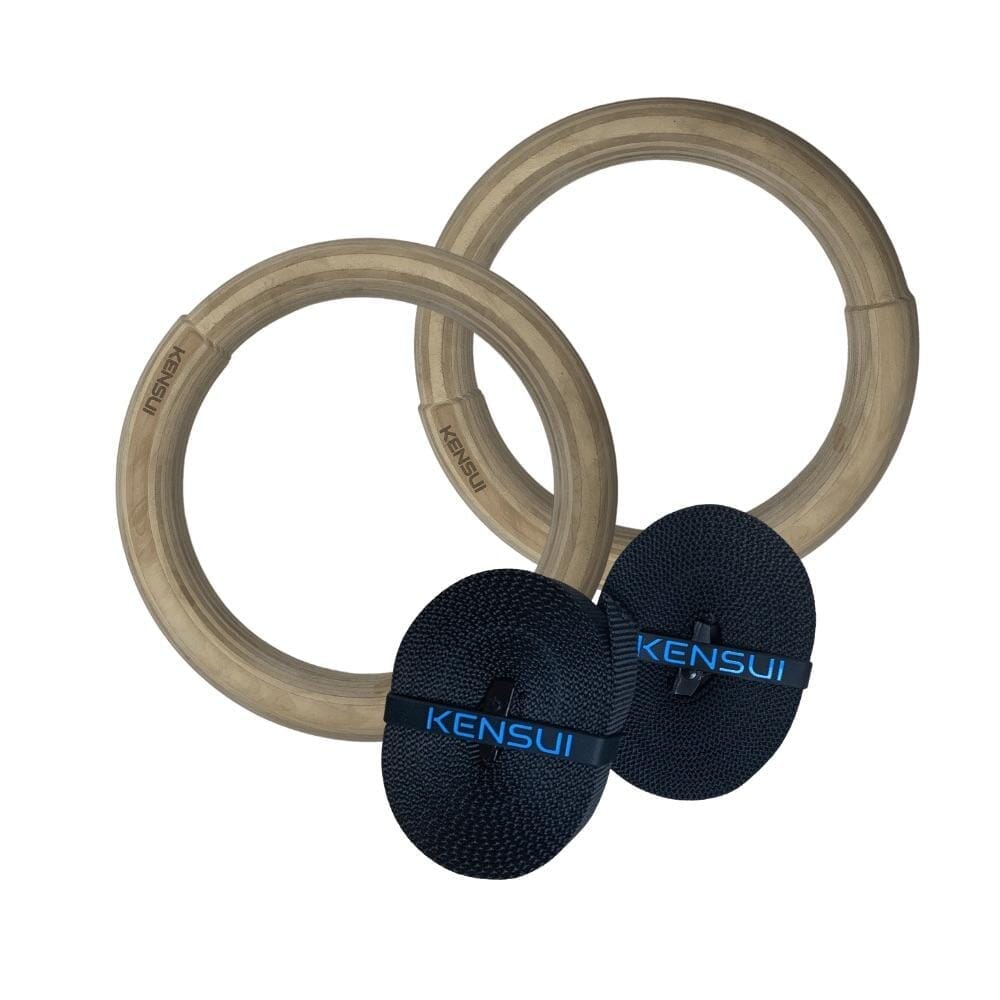
 The humble gymnastics rings.  They look innocent enough, just a pair of wooden or plastic rings hanging from a sturdy strap or rope.  But don't be fooled, these unassuming tools can deliver a brutal beating to even the most seasoned athlete.  And yet, for those willing to put in the work, the rewards are well worth the effort. When I took on the Rings back in college, I was in awe of how different they felt from other forms of equipment.  The instability, the need to engage every muscle just to hold a static position - it was like nothing I'd ever experienced.  And yet, there was something about it that drew me in, something that made me want to keep coming back for more.

One of the most significant benefits of training with rings is the increased strength and control they demand.  Because the rings are unstable, you can't just rely on brute force to get the job done.  You need to engage your stabilizer muscles, your core, and your entire body to maintain control and execute even the simplest movements.  This level of control and strength translates perfectly to other areas of training, making you a more well-rounded athlete. It's one of the best ways to learn Time Under Tension. Rings don't just make you stronger, they force you to utilize Muscle Control to a great degree.

But there is no fucking way the benefits stop there.  Training with rings also improves your proprioception - your body's ability to sense its position and movement in space.  This is crucial for athletes, as it allows you to move more efficiently, avoid injuries as much as possible, and perform complex movements with precision and laser-like focus. Let's not forget the mental toughness that comes with training on these things.  The fear of falling, the uncertainty of whether you'll be able to hold a particular position - it's a mental challenge as much as it is a physical one.

So, how do you get started with training on rings?  First and foremost, you need to build a solid foundation of strength and control.  This means starting with basic movements like ring holds, ring rows, and Isometric Pull-Ups.  Don't be discouraged if you can't do these movements right away - it takes time and practice to build up the necessary strength and control. Not to mention patience.

One of the most important things to focus on when training with rings is the positioning of the body.  Keep your body in a straight line from head to heels, engage your core, and squeeze your glutes, flex every muscle.  This will help you maintain control and prevent injuries.  It's also crucial to start slow and build up gradually.  Don't try to do too much too soon - it's better to focus on perfecting the basics than to risk injury by pushing yourself too hard. Be simplistic and develop mastery.

As you progress, you can start incorporating more advanced movements into your routine.  Things like ring dips, ring pull-ups, and even more complex skills like planches and front levers.  But remember, the key is to focus on control and precision, not just brute strength.  It's better to do a few perfect reps than to struggle through a dozen sloppy ones. Sloppy means higher risk of injuries.

Of course, training with rings isn't without its challenges.  The instability of the rings can be intimidating, and the risk of injury is always present.  But for those willing to put in the work, the rewards are well worth the risks.  Not only will you build incredible strength and control, but you'll also develop a sense of mental toughness and resilience that's hard to find elsewhere. 

In my own training with them back in the day, I just kept it to the basics, never really going further than Dips, Pull-Ups & Push-Ups. As long as you stick with those, you'll have a level of strength that will carry over to your later years. If you're looking to take your training to the next level, I highly recommend giving gymnastics rings a try.  They may not be the most glamorous piece of equipment, but they're certainly one of the most effective.  With patience, persistence, and a willingness to learn, you can unlock the incredible benefits of ring training and take your fitness to new heights.

I recommend looking into guys like Mike Gillette, Al Kavadlo & Matt Schifferle. This trio alone will give you the tools and programming that could be used to strengthen your body in the Gymnastics Rings and other forms of Suspension Training. They may be challenging, but the rewards are well worth the effort.  So why not give them a try?  You never know what you're capable of until you try.

Be amazingly awesome and build that upper body you can be proud of without always going to the gym. 

Monday, September 1, 2025

Weight Vest Walking: Epic Cardio Without Needing To Run


Ah, the humble weight vest. A simple, yet brutally effective tool for those looking to take their fitness to a different level. And what better way to utilize this beast of a training aid than with one of the most fundamental human movements: walking. Weight vest walking is incredibly simple but also underrated. It's time to lace up, strap on the weight, and kill that work capacity and conditioning.


*The Benefits are Real*


Weight vest walking is more than just a novelty; it's a potent training stimulus that can yield impressive gains in strength, endurance, and overall fitness. By adding resistance to the walking movement, you're engaging your muscles in a way that's both challenging and rewarding. Here are just a few of the benefits you can expect:

- Increased Strength: Weight vest walking targets multiple muscle groups simultaneously, including the legs, glutes, core, and even the upper body to a degree. As you walk, these muscles are forced to adapt to the added resistance, leading to increased strength and hypertrophy.

- Improved Endurance: Walking with a weight vest is an excellent way to boost your cardiovascular endurance. By pushing yourself to walk further and faster with weight on your body, you'll be improving your heart's ability to pump blood and your muscles' ability to utilize oxygen. Myself, I'll go for 45 min to roughly an hour in my own training. The feeling you get when you take it off after is nothing short of incredible. 

- Enhanced Bone Density: Resistance training is a proven way to improve bone density, and weight vest walking is no exception. By putting stress on your bones, you're stimulating the production of new bone tissue, which can help to prevent osteoporosis and fractures. Strong bones will help you in the years to come with the right tools and programming to suit your goals.

- Increased Caloric Burn: Weight vest walking is a form of loaded movement, which means you're burning more calories than you would with regular walking. This can be a useful tool for those looking to lose weight or maintain weight loss. Burns up to 3x more calories than regular walking. 

- Improved Mental Toughness: Let's face it: weight vest walking isn't easy (if it was, it wouldn't be worth it). It takes mental toughness and discipline to strap on a heavy vest and get moving. By pushing yourself through the discomfort, you'll be building the kind of mental resilience that can translate to other areas of your life. The carryover is astounding. 


*Getting Started*


So, how do you get started with weight vest walking? Here are a few tips to keep in mind:


- Start Light: Don't try to lift the world on your first day. Start with a light weight and gradually increase the load as you build strength and endurance. Depending on your size, it varies for men and women but for men, I'd start between 10-20, women would be 10-15. Gradually build up. For most workouts, I rarely ever go past 40 but have carried up to 60 during a walk. 

- Focus on Form: Good form is essential when weight vest walking. Keep your posture upright, engage your core, and try to maintain a smooth, consistent gait. Start to slouch and you'll feel it later and it won't feel good. Keep an eye and focus on your breathing as well.

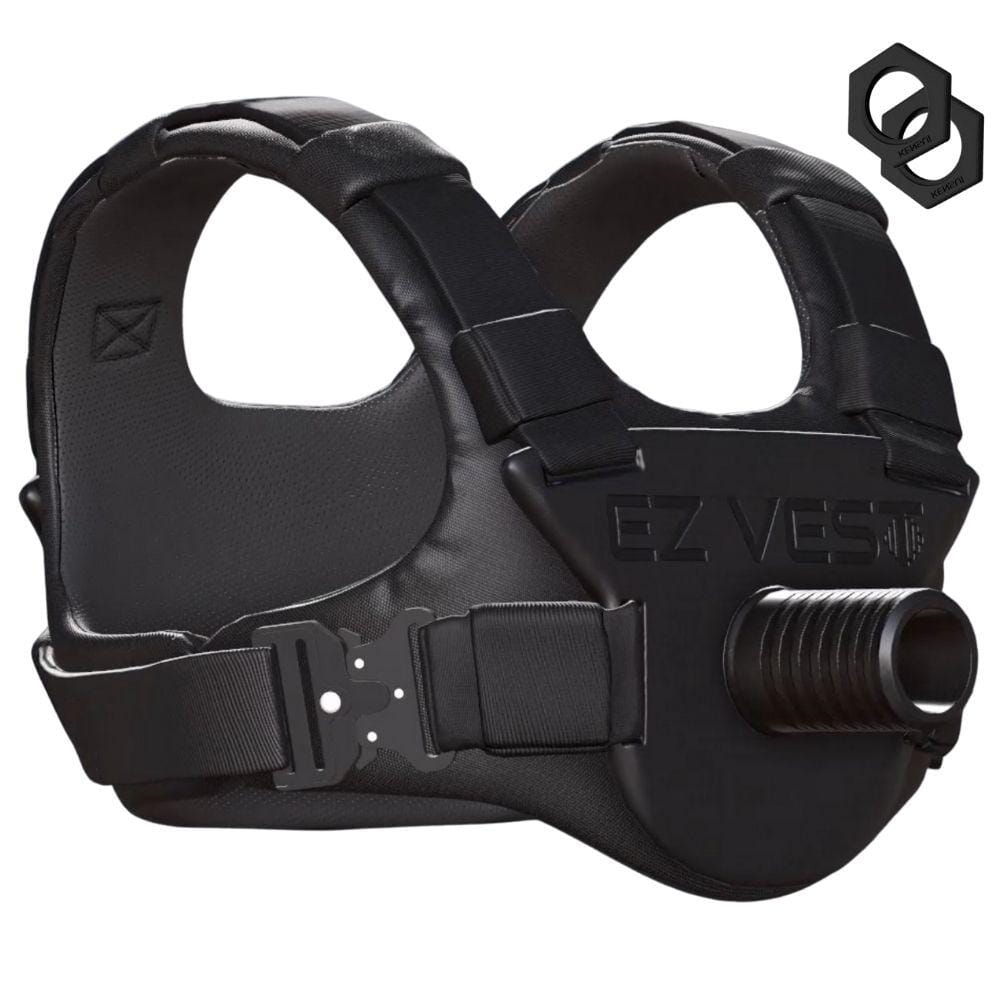
- Choose the Right Vest: Not all weight vests are created equal. Look for a vest that's comfortable, durable, and allows for easy weight adjustments. Like from Kensui...They have adjustable vests where you can put plates on and give you the idea of progressive loading as you get stronger, just like in weight training. 

- Mix it Up: Don't be afraid to mix up your routine. Try walking on different terrain, incorporating hills or stairs, and varying the weight and duration of your walks. Hiking is a hell of a burner.


*Advanced Techniques*


Once you've got the basics down, it's time to take your weight vest walking to the next level. Here are a couple advanced techniques to test out:


- Weighted Walking Lunges: Alternate legs in a walking lunge position while wearing your weight vest. This will target your legs and glutes in a unique and challenging way.

- Long-Distance Walking: Challenge yourself to walk a certain distance with your weight vest on. This can be a great way to build endurance and mental toughness. Go for an hour and see how it feels. Think my longest walk was around 90 minutes and that was going up hill, coming back down and going around the neighborhood in reverse.  


*Common Mistakes*


As with any form of training, there are common mistakes to watch out for when weight vest walking. Here are a couple to keep in mind:


- Poor Posture: Make sure to maintain good posture when walking with a weight vest. Slouching or leaning forward can put unnecessary stress on your joints and muscles.

- Too Much Weight: Don't be afraid to start light and gradually increase the weight. Trying to lift too much too soon can lead to injury or burnout. Look at the starting weight at the Endurance Benefit.


*Conclusion*


Weight vest walking is a powerful training tool that can yield impressive gains in strength, endurance, and overall fitness. By incorporating this brutal yet effective technique into your routine, you'll be unleashing the beast within and taking your fitness to the next level. So, get out in the fresh air, walk with power and pride and get those gains. Be amazingly awesome. 


Power And Might's Comment Policy

Train hard, talk real. Disagree with respect, not hate. Share wins, ask questions, drop knowledge. No spam, bots, or cheap shots — you’ll get pinned fast. Comments will be moderated and can delete anything that doesn't suit what this blog stands for. Must have a Google Account in order to Comment. We’re here for Power and Might, not power trips. Keep it strong. Keep it real. Keep killing it and be Amazingly Awesome.

Power And Might Uses Affiliate Links. Read Full Disclaimer HERE!!!

Affiliate & Medical Disclaimer I’m an affiliate for some of the products I recommend. If you buy through my links, I may earn a commission at no extra cost to you. I only promote Quality Equipment and Supplements I actually use or believe in for building explosive strength, power and other physical & mental attributes. Medical Disclaimer: I’m not a doctor, physician, or certified medical professional. Nothing on Power & Might is medical advice. Always consult your physician or a qualified healthcare provider before starting any new fitness program, diet, or supplement — especially if you have pre-existing conditions or injuries. Supplement Warning: Do your own research. Read labels and ingredient lists carefully before using any supplement. If you have allergies, medical conditions, or take prescription medications that could interact, do not take them. Supplements are not intended to diagnose, treat, cure, or prevent any disease. They’re tools — not magic. Train hard, train smart, and take responsibility for your health. If you get value from the blog, drop a comment on any article.